Agriculture and Food Security
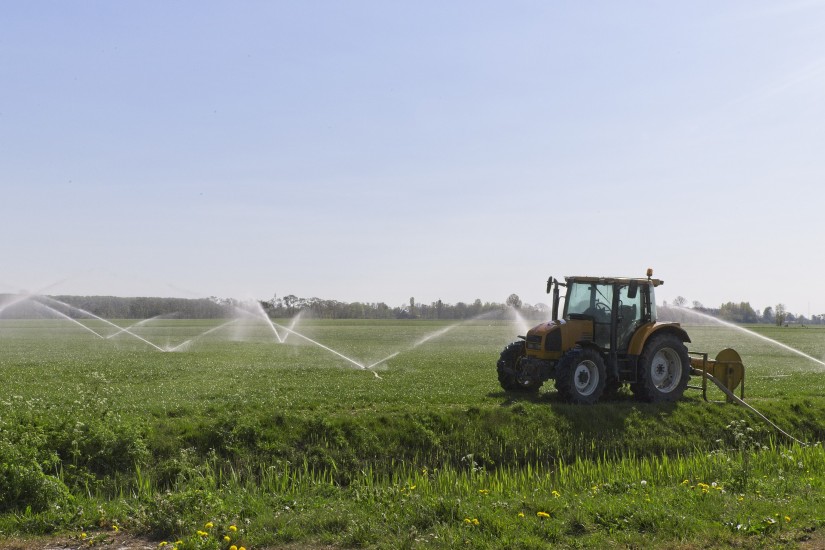
Agriculture is an important sector of the Canadian economy and beyond. Agriculture and fisheries are highly dependent on the weather and climate. Increases in temperature and carbon dioxide can increase some crop yields in some places. But to realize these benefits, nutrient levels, soil moisture, water availability, and other conditions must also be met. Changes in the frequency and severity of droughts and floods could pose challenges for farmers and ranchers and threaten food safety. Meanwhile, warmer water temperatures are likely to cause the habitat ranges of many fish and shellfish species to shift, which could disrupt ecosystems and seafood supply. Overall, climate change could make it more difficult to grow crops, raise animals, and catch fish in the same ways and same places as we have done in the past.
Governments, development agencies and nongovernmental organizations have made considerable investments to improve crop yields and support resilient and sustainable development. Such programs are often implemented with little understanding about whether the proposed strategy may make farmers more vulnerable to climate variability and change. Sustainable climate adaptation projects need to consider a range of time scales; however, many projects often use data directly from climate projections without considering if those long-term simulations adequately capture what farmers might face over the next several growing seasons.
Innovative climate services, adaptation strategies, data, tools, and sustained policy support are necessary to address the current and emerging challenges of attaining sustainable agriculture and food security.
Our core services for the Agriculture and Food Security sector include:
- Weather monitoring
- Development and dissemination of local weather and climate data
- Improvement of sub-seasonal and seasonal Early Warning Systems
- Hydrometeorological forecasting of droughts and floods
- Downscaling of climate change scenarios
- High-resolution modelling of site-specific weather and climate extremes
- Estimation of local climate data for ungauged regions
- Climate analytics and crop-specific climate indices
- Climate change impacts assessment
- Agricultural water management and hydrologic modelling