Forestry
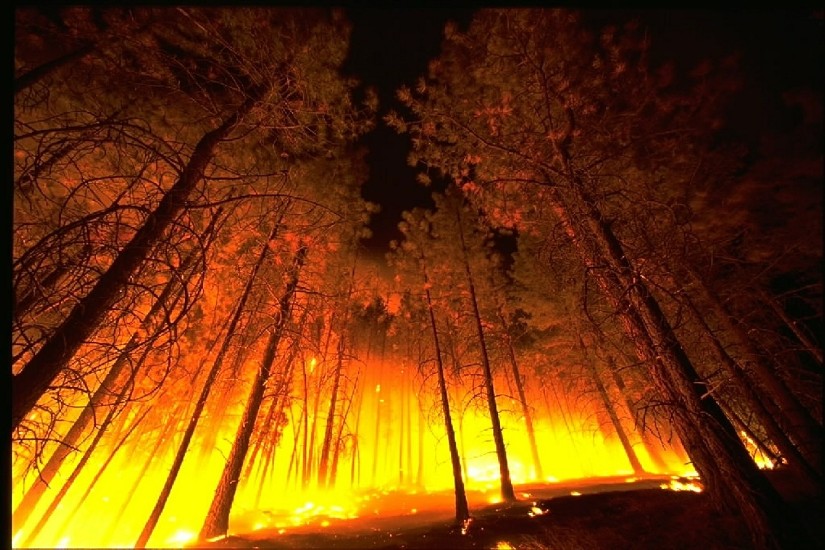
Climate change is a major influencing factor on forests, and forests in turn are a stabilizing force for the climate. Climate change could alter the frequency and intensity of forest disturbances such as insect outbreaks, invasive species, wildfires, and storms. These disturbances can reduce forest productivity and change the distribution of tree species. Climate change will likely increase the risk of drought in some areas and the risk of extreme precipitation and flooding in others. Increased temperatures alter the timing of snowmelt, affecting the seasonal availability of water. Although many trees are resilient to some degree of drought, increases in temperature could make future droughts more damaging than those experienced in the past. In addition, drought increases wildfire risk since dry trees and shrubs provide fuel to fires. Drought also reduces trees’ ability to produce sap, which protects them from destructive insects such as pine beetles. Thus, the productivity and distribution of forests could be affected by changes in temperature, precipitation, and the amount of carbon dioxide in the air. Such warming could worsen the problems already faced by forests from land development and air pollution.
We support the viability of forest systems by providing tailored fire weather indicators and impacts modelling for hazard and risk assessments, and adaptation programming.
Our core services for the Forest sector include:
- High-resolution climate data development
- Improvement of weather risk information Early Warning Systems
- Hydrometeorological forecasting and model development
- Downscaling of climate change scenarios data
- Tailored climate impact drivers data (e.g. climate hazard indices)
- Hazards, vulnerability, and structured risk assessments
- Climate impacts modelling, adaptation planning and scenario analyses
- Forest hydrology and water management modelling