Coastal Environments
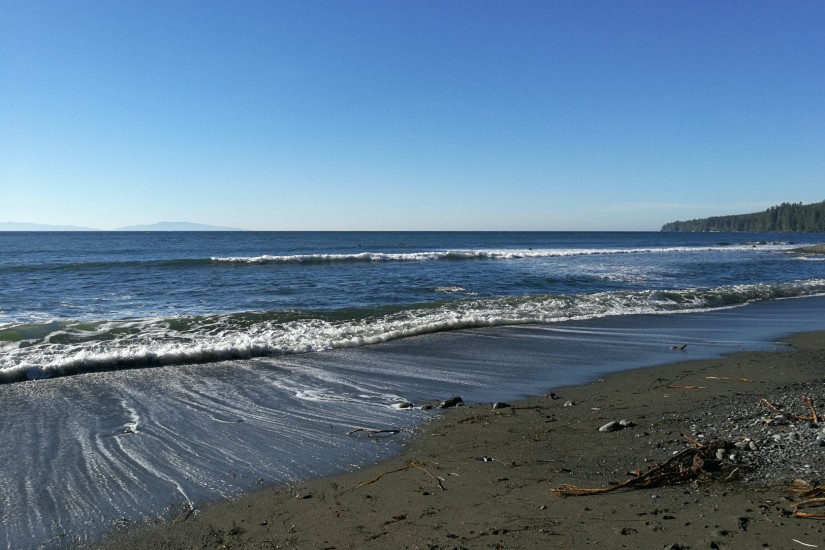
Climate change threatens coastal areas, which are already stressed by human activity, pollution, invasive species, and storms. Climate change can affect coastal areas in a variety of ways. Coasts are sensitive to sea level rise, changes in the frequency and intensity of storms, increases in precipitation, and warmer ocean temperatures. Additionally, rising atmospheric concentrations of carbon dioxide (CO2) are causing the oceans to absorb more of the gas and become more acidic. This rising acidity can have significant impacts on coastal and marine ecosystems. The impacts of climate change are likely to worsen problems that coastal areas already face. Confronting existing challenges that affect man-made infrastructure and coastal ecosystems, such as shoreline erosion, coastal flooding, and water pollution, will require improved modelling tools and tailored climate data.
We support the viability of coastal environments by providing tailored climate indicators and impacts modelling for hazard and flood risk assessments, and adaptation planning.
Our core services for Coastal Environments include:
- High-resolution climate data development
- Improvement of storm surge modelling systems
- Hydrometeorological forecasting and model development
- Downscaling of climate change scenarios data
- Tailored climate impact drivers data (e.g. climate hazard indices)
- Climate impacts modelling, adaptation planning and scenario analyses
- Coastal hazard assessment and adaptation planning
- Storm surge modeling and Flood risk mapping