Water Quality Monitoring and Modelling
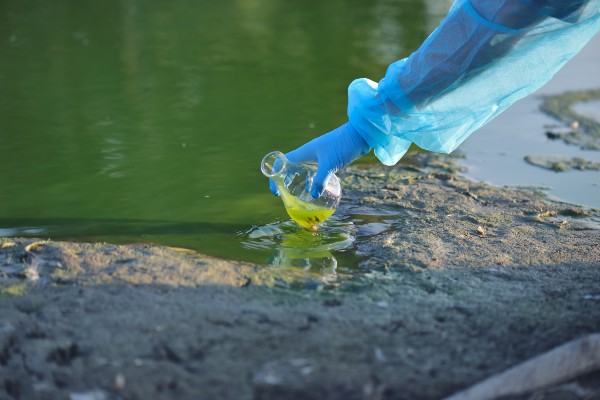
Experts in Water Quality Modelling, Laboratory Analyses, Permitting, Compliance, and Sampling
Clean and abundant freshwater is fundamental to human health, the environment, and the economy. Canada faces an invisible crisis of water quality. Its impacts are wider, deeper, and more uncertain than previously thought and require urgent attention. While much attention has focused on water quantity – too much water, in the case of floods; too little water, in the case of droughts – water quality has attracted significantly less consideration. Quality Unknown shows that urgent attention must be given to the hidden dangers that lie beneath the water’s surface. Pollution is one of the most significant threats to aquatic ecosystems in Canada because of its presence in our lives and in our environment. To know what pollution looks like and where pollution comes from, it is important to have a complete picture of the state of water to manage the risks it faces.
In Canada, natural resource sectors such as thermal power generation, agriculture, oil and gas, and mining account for an estimated 86% of total water use. Water is also used for manufacturing and municipal purposes (for example, drinking water). Water quality degradation affects both aquatic life and human uses of water. For example, higher concentrations of nutrients may result in uncontrolled plant growth and reduce the amount of dissolved oxygen available for fish and other aquatic animals. They can also foster the growth of algae, some of which can cause health effects in humans and animals. Degraded water quality can also undermine economic activities such as fisheries, tourism, and agriculture.
CLIMALOGIK’s expertise in climate change science, hydrology, water resources, land management, agricultural drainage, and integrated water management has become invaluable in understanding, preserving, and planning for future generations. The range of our diverse technical capabilities renders CLIMALOGIK exceptionally well qualified to address a broad range of water quality problems. Our experts design and implement water quality monitoring programs to assess the effects of effluents from metal and coal mines, pulp and paper mills, oil sands facilities, and municipal discharges; conduct state-of-the-environment assessments including comprehensive reviews and statistical assessments of historical monitoring results; and quantitative risk assessments of contaminants in the environment.
Our areas of expertise include:
- Monitoring, Sampling, and Laboratory Analysis
- Source Water Protection Planning
- Agricultural Water Quality Modelling
- Permitting and Compliance Requirements
- Modelling Climate Change Impacts on Water Quality Parameters
- Integrated Modelling of Water Quantity and Quality