Health
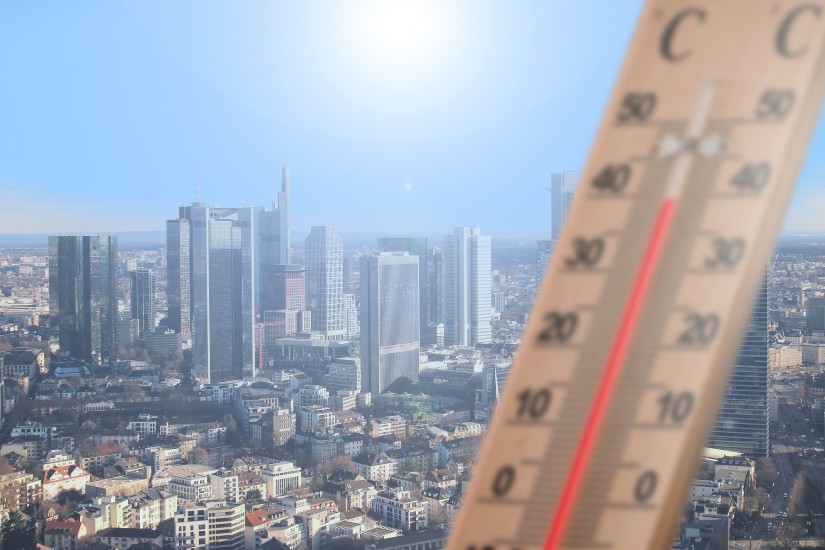
Climate change affects the social and environmental determinants of health – clean air, safe drinking water, sufficient food, and secure shelter. The World Health Organization projects that between 2030 and 2050, climate change is expected to cause approximately 250 000 additional deaths per year, from malnutrition, malaria, diarrhoea, and heat stress. Environmental consequences of climate change, such as extreme heat waves, rising sea-levels, changes in precipitation resulting in flooding and droughts, intense hurricanes, and degraded air quality, affect directly and indirectly the physical, social, and psychological health of humans. For instance, changes in precipitation are creating changes in the availability and quantity of water, as well as resulting in extreme weather events such as intense hurricanes and flooding. Climate change can be a driver of disease migration, as well as exacerbate health effects resulting from the release of toxic air pollutants in vulnerable populations such as children, the elderly, and those with asthma or cardiovascular disease. Working with experts and collaborators, we provide seasonal weather and climate indicators able to inform health-related decisions on seasonal and multi-decadal timescales.
Our core services for the Health sector include:
- Development and dissemination of local weather and climate data
- Improvement of sub-seasonal and seasonal weather prediction systems
- Regional high-resolution maps of temperature and heatwaves
- Downscaling of climate change scenarios
- High-resolution modelling of site-specific weather and climate extremes
- Climate analytics and health-specific climate indices derivation
- Climate change impacts assessment
- Water quality modelling and water resources management