

Climate adaptation
Infrastructure climate assessments
Assessments of whether an infrastructure asset can withstand the climate projected over its design life, and what to change if it cannot.
Co-produced, design-relevant climate information
Developing future-ready climate change design thresholds, coping ranges and success criteria for physical assets and infrastructure.
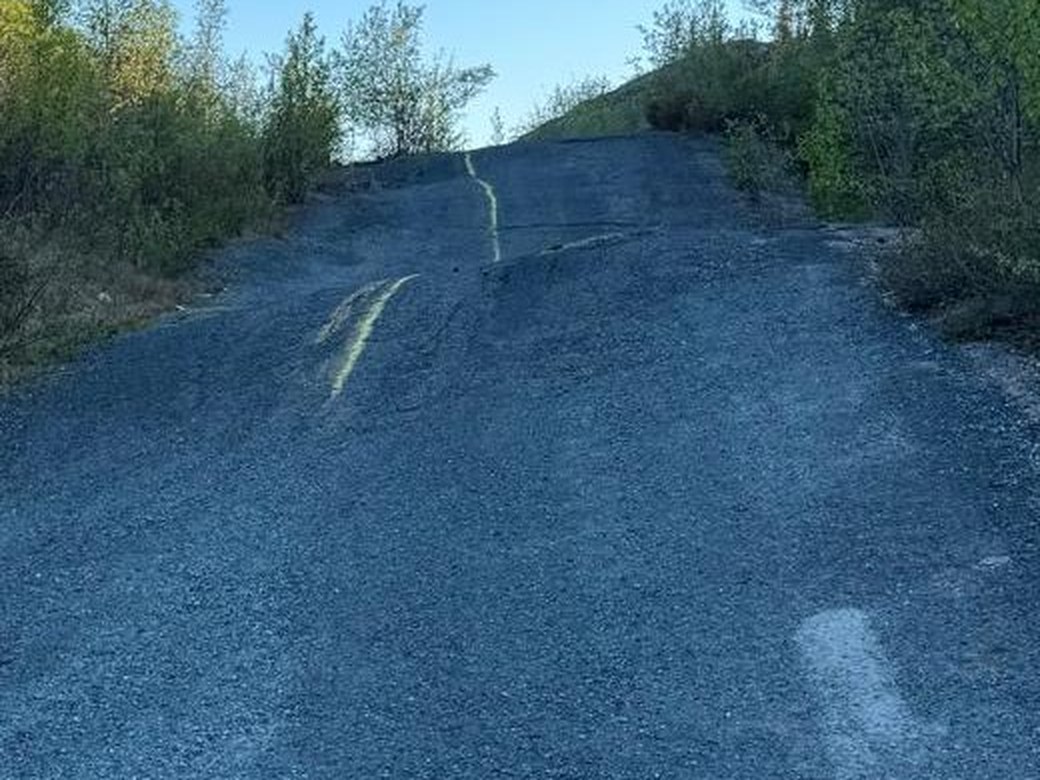
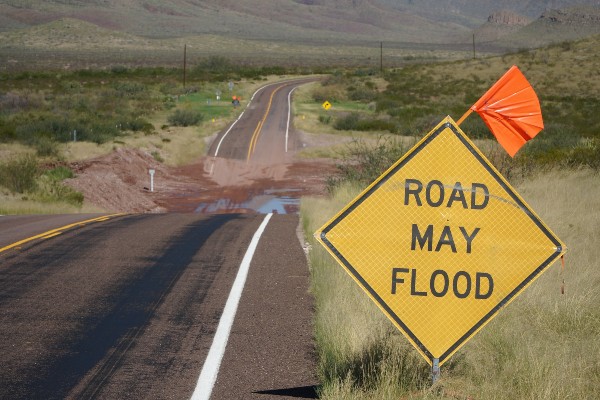
Design thresholds built into infrastructure may be breached more frequently in a changing climate. Threshold failures once considered exceptional but acceptable may become unexceptional, that is normal, and unacceptable. Projects may have to function within tighter margins between “normal” operation and critical thresholds. This may show up as decreased equipment efficiency and less margin for error before drastic management measures, such as reduced operation or throughput, are needed.
Climalogik is engaged in the “co-production” of design-relevant climate information as one key part of effective decision support for existing and new infrastructure. For instance, engineers can identify climate-related thresholds for each project and evaluate whether existing climate trends threaten to exceed them on an unacceptably frequent basis. Climate models can then be used to make sensible estimates of upper and lower bounds for the future.
What we do
- Thresholds, coping ranges and success criteria. The climate limits each component is designed and operated to.
- PIEVC, PIEVC Green and Climate Lens. Climate analysis and likelihood scoring for infrastructure vulnerability and resilience assessments, including the climate requirements of federal funding programs.
- Design-relevant climate values. The extremes engineers design to, for a planning horizon or a global warming level (see design values for extremes).
- Uncertainty for design. Approaches such as Bayesian model averaging and ensemble ranges, turned into design bounds.
- Observed trends. Trend-based estimates for short design lives, weighed alongside near-term projections.
- Climate impacts modelling. How a changing climate affects an asset’s performance, maintenance and service.
- Codes and guidelines. Methods for bringing climate change into design codes and owner standards, in step with the National Building Code of Canada 2025 and CSA S6:25, the first editions to account for future climate.
What you receive
- Climate Lens and PIEVC assessments of single assets
- Projections to the end of their design life
Standards
We follow recognized protocols and standards, such as:
- PIEVC Protocol, High Level Screening Guide and PIEVC Green
- Climate Lens
- Envision
- ISO 31000 and ISO 14091
- CSA PLUS 4013
- National Building Code of Canada 2025 and CSA S6:25
Also covers: Climate change and infrastructure design · Design thresholds, coping ranges and success criteria · Climate Lens resilience and GHG mitigation assessments · Climate impacts modelling for assets · Climate-resilient infrastructure
Questions we help answer
- Which components of this asset are most vulnerable to future climate, and when?
- Which design thresholds are likely to be exceeded more often over the asset’s life?
- What does a Climate Lens or PIEVC assessment of this project require?
- Which adaptation measures reduce the highest risks, and when should they be applied?
- How should climate change be written into our design criteria and standards?
The work
Projections to 2150
Giant Mine: climate for perpetual care
1st PIEVC Green in Iraq
GIZ Iraq: climate-resilient drinking water
Gov-CDR Philippines: risk assessments of critical infrastructure and a small-scale mining site
Discuss your project
Start with a 30-minute call with a climate scientist about your question, your data and your timeline.