

Climate adaptation
Hydrological monitoring, modelling and simulation
We develop science-led, practical solutions for predicting water resource risks and vulnerabilities in a changing climate.
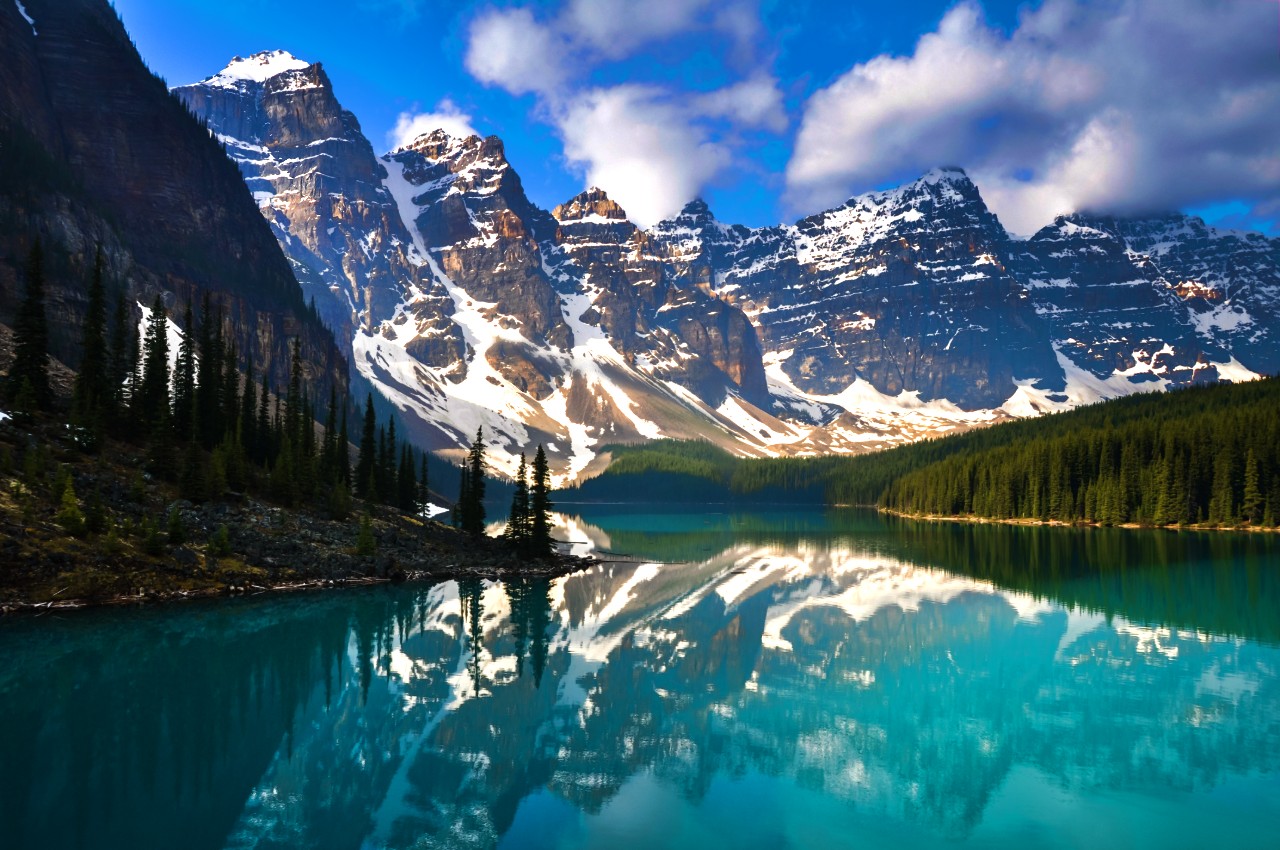
Water in a cold, changing climate
Although the challenges of water security are global in scale, it is increasingly clear that many solutions lie at regional and local levels, where impacts are felt and decisions are made. Canada is warming about twice as fast as the global average, and northern Canada about three times as fast. This warming changes the distribution and availability of water in space and time, particularly in lakes and rivers, glaciers, ice and snowpacks, and groundwater. Observational records show shifts in stream hydrographs and in extreme temperature and precipitation regimes. Snow and ice are changing: snow cover is shrinking, glaciers are retreating, permafrost is thawing and freshwater ice is breaking up earlier. Projected climate change brings sea level rise along many coasts, with increased risk of flooding and erosion; reduced winter snow accumulation and water supply; changes in the frequency, intensity and severity of floods and droughts; and loss of aquatic habitat. These changes in water supply and demand profoundly affect agricultural, economic, environmental and social systems.
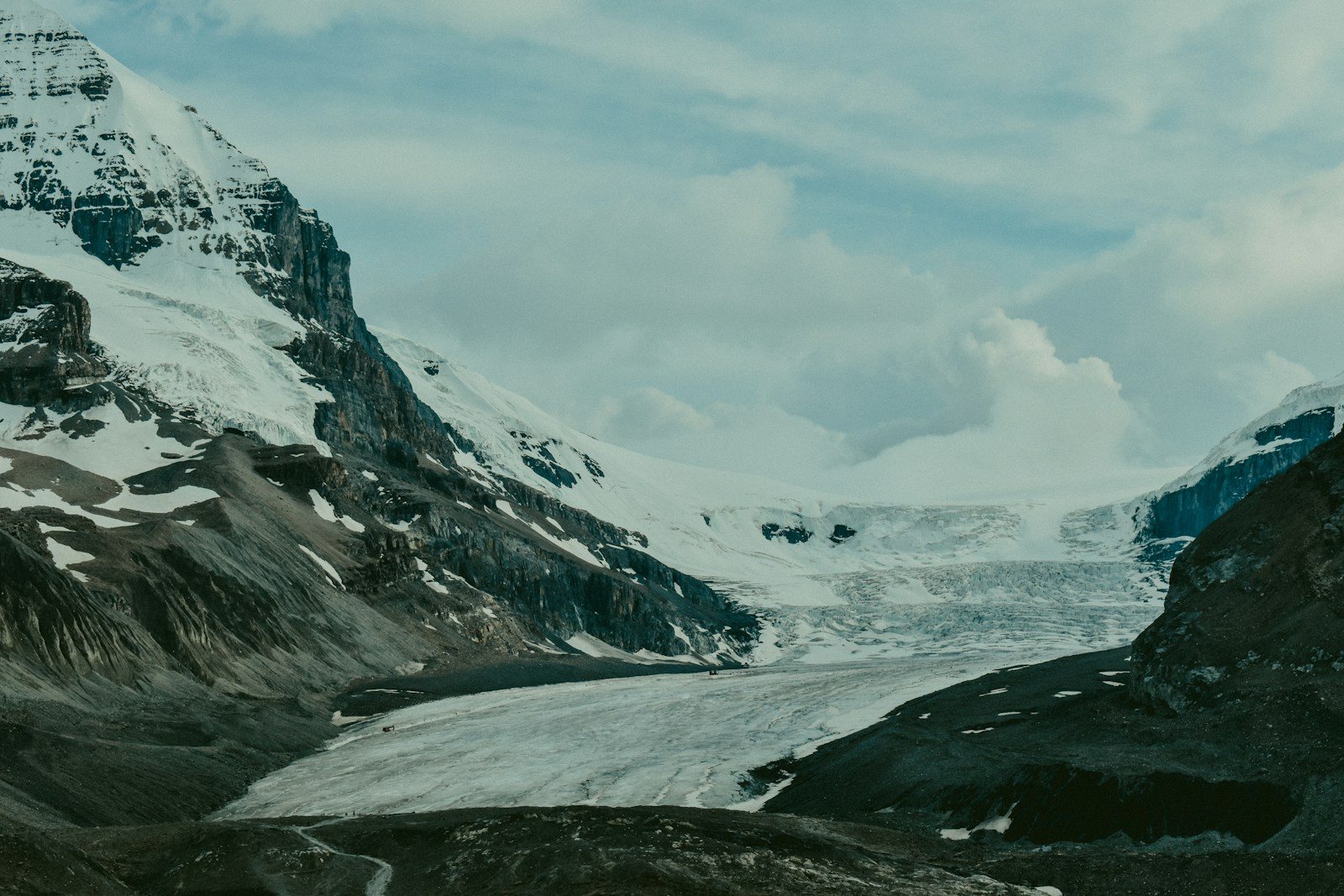
We work with our clients to use next-generation hydrological models to estimate water quantity under changing climate, land use and socio-economic conditions. The Canadian Prairie Pothole Region has presented formidable challenges for hydrological models because of its many internally drained basins, large depressional storage in wetlands, variable contributing area, wind redistribution of snow, radiation-dominated snowmelt and frozen soils. Canada’s forests and mountains present further problems for many models, through processes such as the interception and sublimation of snow in forest canopies, the effect of slope and aspect on the snowmelt energy balance, and sub-canopy radiation. Realistic hydrological modelling in Canada is hampered by attempts to apply models developed for well-drained, temperate or humid regions to our often poorly drained, cold and sub-humid environments. Such applications often require setting parameters outside their physically meaningful range to compensate for deficiencies in model structure, conceptualization and parameterization.
Our hydrologists, climate scientists and academic collaborators improve and apply purpose-built, physically based, multiscale hydrological modelling frameworks, such as CRHM for small watersheds and Raven and MESH for medium-to-large watersheds and river basins.
What we do
- Small-basin process modelling. Models such as CRHM for snow, frozen soils and Prairie wetlands.
- Basin-scale modelling. Models such as Raven, MESH and WRF-Hydro for large and regulated river basins.
- Machine-learning streamflow models. Data-driven models such as LSTM networks, used alongside process-based models for simulation and forecasting.
- Climate change impacts on water. Streamflow, snowpack, water yield and reservoir inflows from ensembles of bias-corrected projections.
- Design flows at ungauged sites. Including flows for hydrodynamic modelling of water levels.
- Drought and low flows. Drought propagation, low-flow frequency and post-drought water yield.
- Climate forcing for your models. Bias-corrected forcing ready for your own hydrological models.
- Streamflow gauge installation and monitoring. New gauges where records are missing.
See also: Hydro-meteorological forecasting · Surface water resources management · Integrated water resource management planning · Flood hazard mapping and risk assessment
What you receive
- Projections of streamflow, water yield, snowpack and reservoir inflows under climate change scenarios
- Flow forecasts with their uncertainty
- Bias-corrected climate forcing ready to drive your own hydrological and groundwater models
Also covers: Hydrological modelling · Climate change impacts on hydrology and water resources · Streamflow under climate change · Flow forecasting · Reservoir inflows and operations · Snowpack and snowmelt · Cold-region hydrology and permafrost · Water yield and water balance · Drought and low flows · Design flows at ungauged sites · Environmental flows
Water resources and climate change: Integrated water resources management · Water security · Flood and drought risk under climate change · Flood hazard mapping and risk assessment · Hydrometeorological forecasting · Surface water resources management · Climate forcing data for hydrological models
Methods
We choose models and methods to fit the basin and the question, such as:
- Physically based models: CRHM, Raven, MESH, WRF-Hydro
- Machine-learning streamflow models such as LSTM networks
- Ensemble forecasting and data assimilation
- Operational systems such as Delft-FEWS
- Multivariate bias correction of forcing data
- Design flows at ungauged sites
Questions we help answer
- How will streamflow, snowpack and water supply in this basin change by mid-century?
- What are the flood and low-flow statistics at an ungauged site?
- How much water can be allocated safely, in wet and dry years, now and in the future?
- What are the PMP and PMF for this dam, and how might climate change affect them?
- Which hydrological model suits this basin, and how well does it reproduce observed flows?
The experience behind it
- Bias-corrected forcing data that drive the MESH and CRHM models across the Mackenzie River Basin, published as an open dataset (Asong et al., 2020, Earth System Science Data)
- How precipitation uncertainty shapes MESH streamflow simulations in the regulated Saskatchewan River Basin
- Extreme-streamflow risk to 48 municipal drinking water facilities across Alberta
- Future droughts and post-drought water yield in the Nelson River Basin
- The Integrated Modelling Program for Canada (Global Water Futures)
- Climate inputs to the Barbados groundwater model (Green Climate Fund)
From our principal’s research at the University of Saskatchewan’s Global Institute for Water Security, his water resources consulting before Climalogik, and Climalogik projects. See Dr. Elvis Asong’s profile.
Related: Hydro-meteorological forecasting · Hydrometeorological and hydrological extremes · Climate data, downscaling and projections · All services
Discuss your project
Start with a 30-minute call with a climate scientist about your question, your data and your timeline.